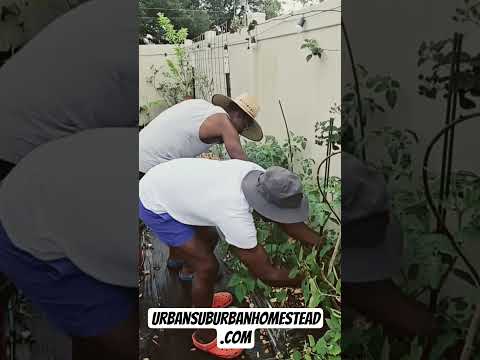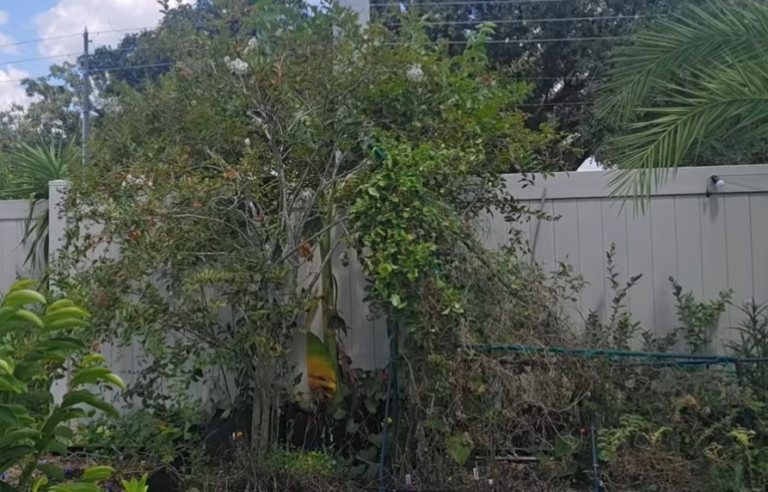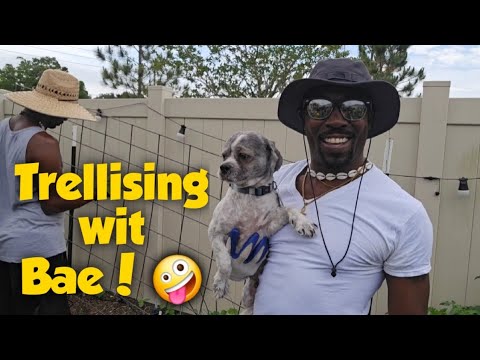
Living the urban suburban homestead life is nothing like what you see on social media. The perfectly curated gardens, the spotless coops, the abundance laid out like a magazine spread — that’s not what this is. What we have here is the real version. And honestly? The real version is better.
It’s messier, harder, and more satisfying than anything a highlight reel can capture. It’s showing up on days when nothing goes right and doing the work anyway. It’s learning something new every single season and carrying those lessons forward. That’s the homestead life I want to talk about today.
The Reality of Daily Homestead Work
Here’s what nobody tells you before you start: homesteading runs on consistency, not inspiration. Your chickens don’t care if you’re tired. They need fresh water, feed, and someone to check on them — every single day. Your garden doesn’t care if it rained all week. The weeds grew anyway, and now you’ve got work to do. This is the part that trips up a lot of new homesteaders. They start on fire, then hit the daily grind and wonder if something is wrong. Nothing is wrong. The grind IS the homestead. And the good news is that once you build the habits, it stops feeling like work and starts feeling like rhythm.
Spring is the most intense season — seeds to start, beds to prep, transplants going in constantly. Summer shifts to watering, harvesting, and managing pest pressure. Fall is about preservation and getting ready for what’s next. Winter is when you rest, plan, and dream about next year’s gar-deen. Each season has its own energy. Lean into it rather than fight it, and homesteading becomes sustainable for the long haul.
Getting Your Projects in the Right Order
One of the hardest lessons I’ve had to learn — and keep relearning — is that you can’t do everything at once. When you’re building a homestead, the list of things you want to do is always longer than the time and energy you have. New raised beds. A bigger coop. A composting system. A food forest. It all sounds great on paper, but trying to tackle it all at the same time means nothing gets done well.
What works for me is a simple priority system. Essential tasks — animal care, watering, harvesting — happen first, no matter what. Important maintenance tasks — weeding, pest checks, soil work — fill in the middle of the week. Enhancement projects — building new things, expanding systems — only get my time and energy when the essential and important stuff is handled. That system keeps the homestead stable and moving forward at the same time. It also keeps me from burning out trying to do everything in a weekend.
Embracing the Seasonal Rhythm
Homesteading taught me to stop fighting the calendar. There are seasons when the work is intense — spring planting, fall harvest, summer pest management — and seasons when things slow down. For a long time I felt guilty about the slow periods, like I wasn’t doing enough. Now I understand that the slow periods are part of the system.
Rest and planning during winter make the busy seasons more productive. Giving yourself permission to ease off in December means you’ll have the energy to go hard in March. That rhythm isn’t laziness — it’s sustainability. The homesteaders who last decades are the ones who work with the seasons, not against them.
Celebrating the Small Wins
I cannot stress this enough: celebrate the small wins. Your first tomato. Your first dozen eggs. The bed that finally stopped having weed problems because you mulched it right. The compost pile that actually heated up. These moments matter — and if you don’t stop to recognize them, the hard days start to feel heavier than they should.
Take photos. Keep notes. Mark the progress. Because when you look back at where you started versus where you are six months later, the growth is real — even if it doesn’t always feel that way in the middle of it.
Building Your Homestead Community
One more thing I’ve learned: you don’t have to do this alone. Finding other homesteaders — online or in person — changes the experience completely. You learn faster because other people have already made the mistakes you’re about to make. You feel less isolated because you’re part of a community that gets it.
That’s a big part of why we share everything here and on the YouTube channel — the wins, the failures, and the honest moments in between. Because the urban suburban homestead life is better when we’re doing it together. If you’re on this journey, drop a comment below and tell me where you are. I want to hear about your homestead. Browse more of our real-deal homestead stories in the Homestead Life category — we share it all.
Key Takeaways
- The urban suburban homestead life runs on consistency — show up every day and build the rhythm
- Prioritize essential care over enhancement projects to keep things stable and moving forward
- Work with seasonal rhythms rather than against them — intensity and rest are both part of the system
- Celebrate every small win intentionally — the progress is real even when it doesn’t feel like it
- Community accelerates everything — find your people and learn together
Experience Homestead Life Firsthand
Subscribe to the Urban Suburban Homestead channel for authentic, unfiltered glimpses into homestead life. You’ll see the challenges, victories, and daily reality of sustainable living. Join a community of homesteaders on the same journey toward greater self-sufficiency and environmental stewardship.