
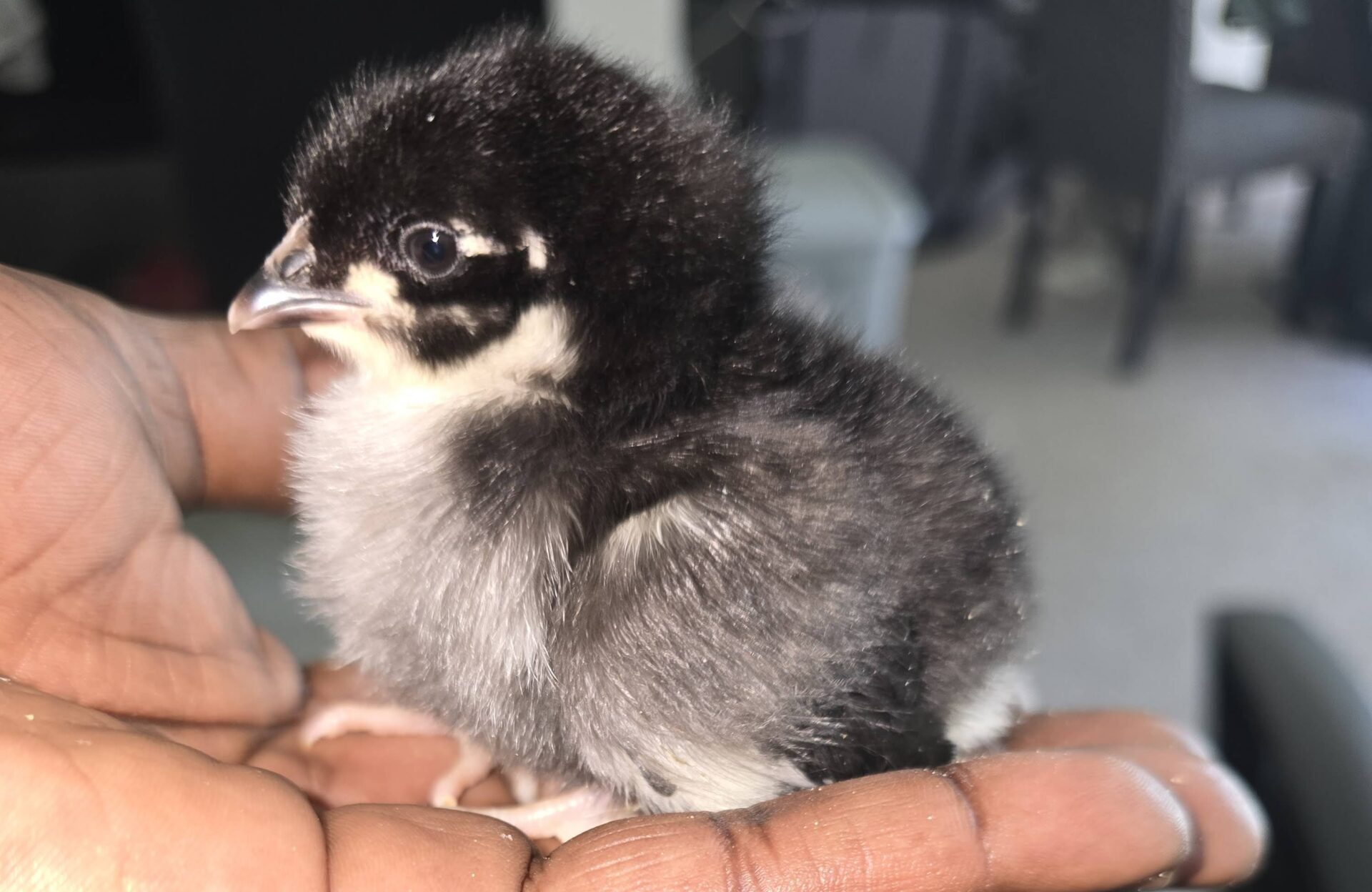
There is genuinely nothing on the homestead that gets me the way baby chicks do. From the moment they hatch — wet and exhausted from breaking through that shell — to the moment they’re fluffy and zooming around the brooder, scratching and pecking at everything in sight, they are endlessly entertaining. And by the first week? They are already acting like fully formed little chickens. It’s remarkable to watch.
But raising healthy baby chicks is also real responsibility. That first week is the most critical stretch of a chick’s life. Get it right, and you’re setting them up for a healthy, productive future on your homestead. Get it wrong, and you can lose birds fast. Let me walk you through everything we’ve learned here at the Urban Suburban Homestead.
What Happens in the First Week
Day one: a chick hatches, dries off, and within hours is actively looking for food and water. They’ve absorbed the yolk sac just before hatching, so they have 24–48 hours of nutrition built in — but getting them eating and drinking early sets the best foundation. By day three or four, they are already exhibiting every chicken behavior you’ll see for the rest of their lives. Scratching at the bedding. Pecking at things. Attempting dust baths in the shavings. Trying to roost on absolutely everything. By the end of the first week, they’re growing visibly day to day — you can practically watch it happen. The down starts giving way to the first pin feathers at the wing tips. Furthermore, their personalities start showing early. You’ll have bold explorers, cautious observers, and at least one chick that’s already decided it runs the brooder.
Natural Behaviors You’ll See Right Away
Scratching and pecking. This behavior is so built-in that newly hatched chicks do scratching motions before they’ve even eaten. In fact, it’s how chickens explore, forage, and interact with their world. As a result, providing a little variety in the brooder — some sand, a bit of leaf litter — encourages this naturally and keeps them stimulated.
Dust bathing. This one gets me every time. A chick that is three days old will flop over in the shavings and start going through the full dust bathing routine — wings out, rolling around, kicking up material. It looks chaotic and hilarious. But it’s completely instinctive and important — dust bathing is how chickens maintain feather health and keep parasites in check. If you can, put a small container of sand or fine soil in the brooder. They will use it immediately.
Vocalizations. Healthy, comfortable chicks make cheerful, consistent chirping. If you hear loud, frantic, sustained peeping, something is wrong — they’re cold, hungry, separated, or scared. Learning the difference between content chirping and distress peeping is one of the most useful skills you can develop as a chick caretaker.
Piling and spreading. The way chicks spread out in the brooder tells you everything about temperature. Comfortable chicks spread out, move freely, eat, and sleep in loose groups. In contrast, cold chicks pile directly under the heat source and stack on each other. Meanwhile, hot chicks move away from the heat and may pant. Always use their behavior to fine-tune your setup — not just a thermometer.
Essential First-Week Care
Temperature. This is the single most critical factor. Chicks cannot regulate their own body temperature in the first weeks. Start at 95°F at brooder floor level and drop 5°F per week until you reach ambient room temperature. I cannot stress enough: watch the chicks, not just the thermometer. Their behavior is the most accurate feedback you have.
Feed and water. High-protein chick starter (20–24% protein) and fresh, clean water available at all times. Use shallow waterers and put marbles or clean stones in the base so chicks can drink without falling in and getting soaked. A wet, chilled chick gets sick fast.
Brooder space. Start with at least 0.5 square feet per chick and plan to expand quickly as they grow. Crowding leads to pecking, disease spread, and stress. In short, more space is always the right call.
Bedding. Pine shavings work great. However, avoid cedar and glossy paper — both are harmful to chicks. Keep the bedding dry and swap it out daily if needed, because wet bedding is where disease gets its start.
Handling. This is where the relationship between you and your flock gets built. Gentle, consistent handling in the first weeks produces adult birds that are calm around people, easier to health-check, and less prone to stress during routine management. Pick them up carefully and often.
For more on integrating your flock into the broader homestead system, check out our Backyard Chickens & Animals section — and see how we use quail manure composting to turn flock waste into garden gold.
Health Monitoring: What to Watch For
Healthy chicks are active, curious, eating, drinking, and making noise. Sick chicks are lethargic, puffed up, standing apart from the group, or showing diarrhea or labored breathing. Chicks decline fast when something is wrong. So if one looks off, isolate it immediately and watch it closely. Catching problems early is what saves birds.
Above all, keep the brooder clean. Coccidiosis — a gut disease spread through droppings — is the most common killer of young chicks, and it’s almost entirely preventable with dry, clean conditions. Wipe down feeders and waterers every single day. Moreover, swap out wet bedding the moment you notice it — don’t wait until the next morning.
Watch the Full Video
The Journey From Chick to Hen
The tiny, fragile chicks in your brooder this week will be producing eggs in four to five months. The work you put in right now — the temperature management, the gentle handling, the clean brooder — creates the foundation for everything that comes after.
Watch them closely. Learn their individual personalities. Enjoy the ridiculous entertainment of watching a two-day-old chick attempt a dust bath in pine shavings. And subscribe to the Urban Suburban Homestead YouTube channel to see all of this in action — from hatch day to first egg, we share the whole journey.
Key Takeaways
- The first week is the most critical period — get temperature, feed, and brooder conditions right from day one
- Natural behaviors like scratching, dust bathing, and vocalizing begin immediately — they’re signs of healthy development
- Watch how chicks distribute in the brooder to calibrate heat — behavior beats a thermometer
- Start with high-protein starter feed (20–24%) and clean, shallow water containers
- Handle chicks gently and frequently in the first weeks — it creates calmer, more manageable adult birds
- Clean, dry brooder conditions prevent coccidiosis — the most common and most preventable killer of young chicks
Have you raised baby chicks or thinking about starting? Share your experiences in the comments! What surprised you most about baby chicks? Subscribe for more homesteading guides, animal care tips, and charming moments from our flock!