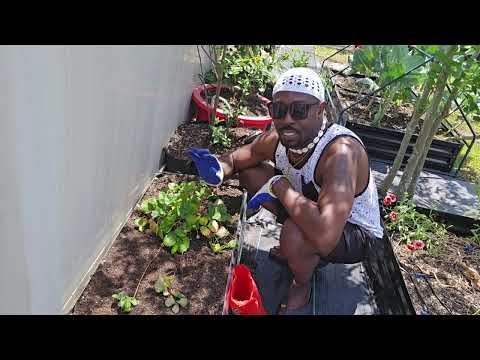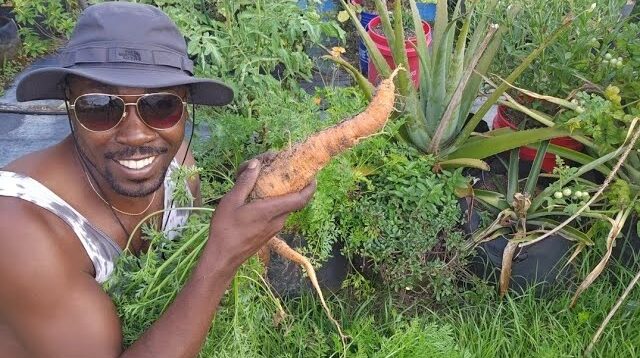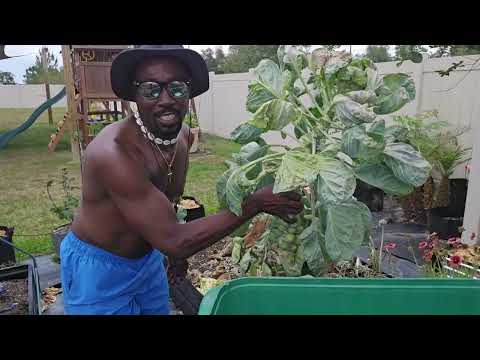
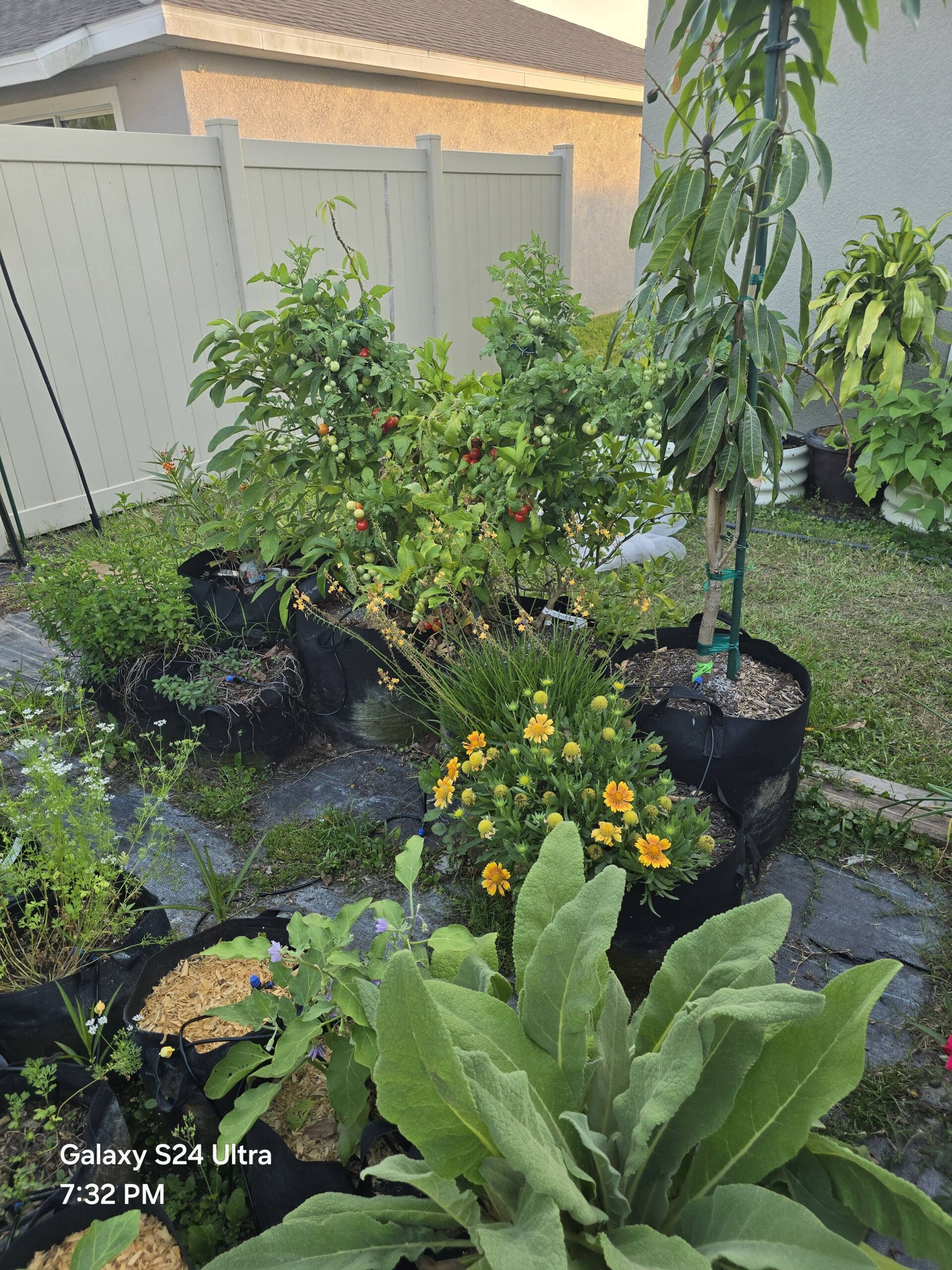
If there’s one season that separates the casual gardener from the committed homesteader, it’s summer. And in zone 9B Florida, summer is a whole different level. Maximizing your summer garden here means managing brutal heat, relentless humidity, pest pressure that never sleeps, and plants that go from “thriving” to “done” faster than anywhere else in the country.
I’ve had summers where the gar-deen was absolutely bursting with production. I’ve also had summers where I felt like I was losing the battle every week. The difference almost always came down to a few key strategies — and I’m going to share all of them right here.
Understanding What Zone 9B Summer Actually Does to Your Garden
Before we talk strategy, let’s talk reality.
In zone 9B, summer means soil temperatures that can hit 100°F on the surface. It means humidity that creates the perfect environment for fungal disease. It means pest life cycles that accelerate dramatically — aphids, squash bugs, and hornworms that might take a week to appear in a northern garden can show up in days here. The plants that love it — tomatoes, peppers, sweet potatoes, tropical crops — will absolutely explode in this environment if you set them up right. The ones that don’t — lettuce, spinach, broccoli — need to come out before the heat arrives. Knowing which is which is half the battle.
Succession Planting Keeps the Harvest Coming
One of the biggest mistakes I made early on was planting everything at once and then having a two-week window where everything came ripe at the same time — followed by nothing. Succession planting fixes that. Instead of planting all your beans, squash, or cucumbers at once, stagger them in rounds two to three weeks apart. As your first planting winds down, the second round is just getting going. The result is a steady flow of produce rather than a feast-or-famine cycle.
For summer crops in zone 9B, I time my successions so that later plantings mature in early fall when temperatures start to ease. That timing produces some of the best fruit of the whole season. Check out our Gar-Deen Grow Guide for more planting timing tips.
Water Management in the Florida Summer Heat
If I had to pick one thing that makes or breaks a summer garden here, it would be water management. Inconsistent watering causes more problems than people realize — split tomatoes, bitter cucumbers, blossom drop on peppers. The plants feel the stress, and they respond to it. What works for me: deep, infrequent watering rather than daily shallow watering. I want the water to go down 6–8 inches into the soil, not just wet the surface. That depth encourages deeper root growth and gives plants a buffer during the hottest parts of the day.
I also mulch heavily — 3 to 4 inches around every plant. In the Florida summer, that mulch layer is the difference between watering every day and watering every two or three days. It keeps soil temperature down, holds moisture in, and slowly breaks down into organic matter. It’s one of the highest-return investments of time in the whole gar-deen.
Staying Ahead of Summer Pest Pressure
Summer pest pressure in zone 9B is serious. I’m not going to sugarcoat it. The best defense is scouting — walking the gar-deen every day or two and looking closely. Under the leaves. Along the stems. At the base of the plants. Pest problems that get caught early are problems you can handle. Pest problems that get missed for a week can take out a whole bed.
We cover our specific pest management methods in detail in the Pest Control & Garden Problems section — including how we handled harlequin bugs, cabbage worms, aphids, and hornworms this season without chemicals.
Harvest Often and Harvest Early
Here’s something that took me a while to understand: the more you harvest, the more the plant produces. Tomatoes, peppers, squash, beans — they all respond to frequent harvesting by setting more flowers and more fruit. When you leave overmature vegetables on the plant, the plant reads that as mission accomplished and slows down production.
I harvest every day or every other day during peak season. I pick tomatoes the moment they start to color up and let them finish ripening off the vine. I never let squash get to baseball bat size before I pick them. Staying on top of the harvest keeps the plants producing and keeps the quality high all season long.
Key Takeaways
- Zone 9B summer rewards the crops that love heat — tomatoes, peppers, sweet potatoes, tropicals
- Succession planting prevents feast-or-famine harvest cycles — stagger plantings 2–3 weeks apart
- Deep, infrequent watering plus heavy mulching is the most impactful water management strategy
- Scout the gar-deen every 1–2 days — catching pest pressure early is what keeps it manageable
- Harvest frequently to keep plants producing — overmature fruit signals the plant to slow down
- The summer gar-deen rewards consistency and attention more than any other season
See Your Summer Garden in Action
Watch the full summer garden montage from the Urban Suburban Homestead channel to see a thriving garden at peak production and discover the practical techniques for managing abundance. Subscribe for more seasonal gardening strategies and inspiring homestead updates throughout the year.