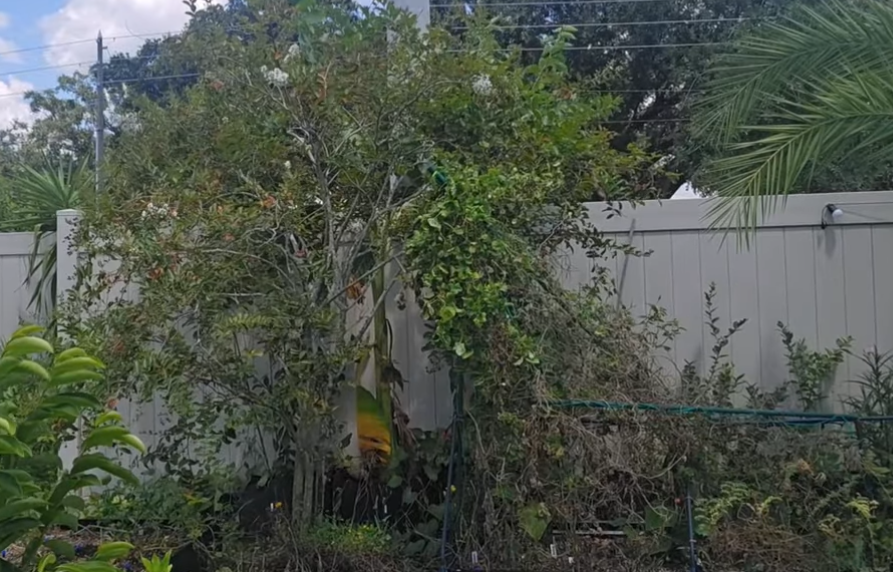
There are certain weeks on the homestead that you just remember. This was one of them. We set out to do a complete spring and fall garden cleanup — the kind where you go through every bed, clear out everything that’s done, amend the soil, and reset for the next season. Then we threw in a new chicken coop build on top of it. And somewhere in the middle of all of that, the fire ants decided to make things interesting. It was one of the most ambitious weeks we’ve had out here. And it was absolutely worth it.
Why a Thorough Garden Cleanup Matters
I used to rush through cleanup. Pull the obvious stuff, turn over the soil a little, call it done. Then I started actually doing it right — and the difference in the next season’s performance was significant. A proper spring or fall garden cleanup removes disease and pest pressure that would otherwise carry over into your next planting. Old plant material harbors fungal spores, insect eggs, and bacteria. Leaving it in place gives those problems a head start on your next crop.
Beyond removing old material, cleanup is the perfect time to assess each bed, address any soil issues, and add amendments. By the time we finish a proper cleanup, every bed is ready to perform at its best the moment new transplants go in.
The Week-Long Approach: Breaking It Down
Trying to do a full garden cleanup in a single day is a recipe for burnout and half-finished work. We break it into daily sections. Day one is assessment and priority-setting — walking every bed, noting what needs to come out, flagging any problem areas. Days two and three are the heavy lifting — pulling spent plants, clearing paths, dealing with weeds that took advantage of the season. Days four and five are soil work — adding compost, amending where needed, mulching the finished beds.
By the end of the week, the gar-deen looks completely different. And honestly, that visible transformation is one of the most satisfying things about this kind of project. Head over to our Soil, Compost & Fertilizing section for more on what we add to the beds during cleanup.
Dealing With Fire Ants During Garden Work
If you garden in Florida, you know fire ants are part of the deal. And during a big cleanup week, you’re going to encounter them. The key is awareness. Before you start working an area, scan it for mounds. They look like reddish-brown soil disruptions, sometimes with no visible opening at ground level. Mark any you find and work around them deliberately.
Move slowly and deliberately near mound locations. Sudden movements are what trigger the defensive response. Wear long pants, closed-toe boots, and tuck your pant legs in. If you do get stung, soap and water immediately, then hydrocortisone cream to manage the irritation. Over time, you develop a kind of fire ant awareness that becomes second nature. You learn to read the ground, adjust your movement, and work around them without thinking twice. It’s not glamorous, but it’s real Florida homestead life.
Building the New Chicken Coop
On top of the garden cleanup, we tackled the new coop — and I want to be honest with you: this was a big lift. A new coop is more than just a building project. It’s an investment in your flock’s long-term health and safety. Every decision you make — location, size, ventilation, predator protection — follows your birds for years.
Location first. We chose a spot with good drainage, morning sun, afternoon shade, and a clear sightline from the house. Being able to see the coop from where we spend most of our time means any problems get noticed fast.
Size generously. We planned for 4 square feet per bird inside the coop and 10 square feet per bird in the run. Crowding creates stress, disease, and behavioral problems. More space up front is always the right call.
The non-negotiables:
- Hardware cloth on all openings — not chicken wire, which predators can tear through. Hardware cloth keeps your flock safe.
- Ventilation at the top — moisture buildup causes respiratory disease. High vents let humid air escape without creating cold drafts on the birds.
- Deep enough stakes on the run — hardware cloth buried 12 inches underground stops digging predators before they get started.
- Easy access — design cleanup hatches and egg collection doors that make your daily work fast and easy. If it’s a chore to get in there, you’ll start skipping it.
For more on integrating chickens into your homestead setup, visit our Backyard Chickens & Animals section.
Key Takeaways
- Break spring and fall garden cleanup into daily sections — don’t try to rush it into one day
- Remove all spent plant material to eliminate disease and pest pressure before the next season
- Add compost and amendments during cleanup so beds are ready to perform from the first day
- Work around fire ants with awareness and deliberate movement — protection gear is non-negotiable
- Build your chicken coop with generous sizing, hardware cloth, ventilation, and predator protection
- Design for easy access — the easier daily maintenance is, the more consistent you’ll be
Watch the Full Process
Subscribe to the Urban Suburban Homestead channel to see the complete garden cleanup process and new coop construction. You’ll discover practical techniques for tackling ambitious projects on your homestead while managing the unique challenges of your local environment.