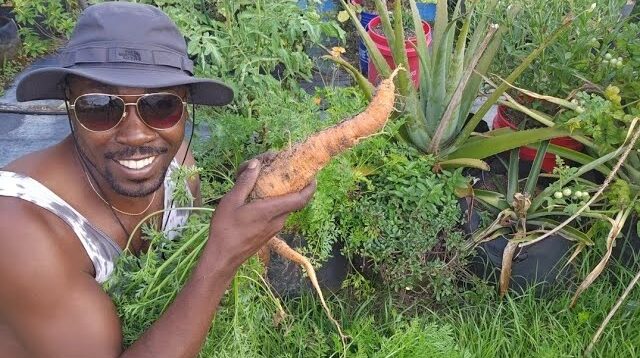
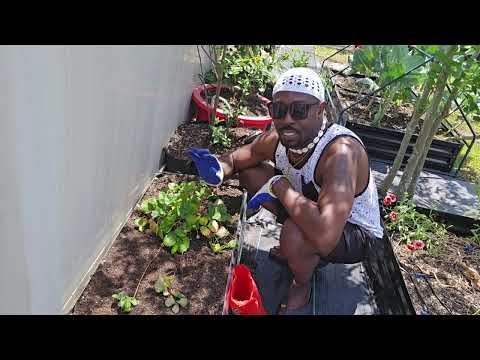
Early May at the Urban Suburban Homestead is a busy, beautiful time for zone 9B Florida garden planting. The gar-deen is filling in, the soil is warm, and we’re making the most of every planting window before summer heat really locks in. In this update, we’re getting strawberries, blueberries, and potatoes in the ground — and we’re talking about one of our favorite secret weapons for soil health: red wiggler worms.
Planting Strawberries in Zone 9B Florida
Strawberries are a little unconventional to grow in Florida compared to most of the country. Our planting windows run opposite to what many gardeners are used to — the fall-to-spring season is actually ideal, but if you’re planting in early May you’re working with what’s available and getting creative.
Choosing the right varieties. In zone 9B, day-neutral or everbearing varieties are your best bet for getting fruit outside of the traditional cool-season window. These varieties are less dependent on day length and can produce in a wider range of temperatures. Look for varieties that have been selected for heat tolerance.
Bed preparation. Strawberries do well in raised beds or containers where you have full control over drainage. They hate wet feet — good drainage is the number one requirement. We worked compost into the bed and made sure the pH was in the slightly acidic range (around 6.0–6.5).
Planting depth. This is critical with strawberries: the crown (the point where the roots meet the leaves) should sit right at soil level — not buried, not too high. Too deep and the crown rots; too shallow and the plant dries out and dies. Get this right and you’re already ahead of most beginner mistakes.
Mulching. A layer of straw or pine straw mulch around the plants keeps moisture in, suppresses weeds, and keeps ripening fruit off the soil.
Adding More Blueberries to the Homestead
We’ve been expanding our blueberry production here at the Urban Suburban Homestead, and this round we’re getting more plants in the ground. Blueberries are a long-term play — they take a few years to hit peak production — but once they do, they give you an incredible return for minimal ongoing effort.
Soil pH is everything. If there’s one thing to get right with blueberries, it’s pH. They need acidic soil in the 4.5–5.5 range. In Florida, many soils are naturally acidic, but it’s always worth testing before you plant. Sulfur and acidic organic matter like peat moss and pine bark can help bring pH down if needed.
Florida-friendly varieties. Not all blueberries are suited to our climate. Look for southern highbush varieties like ‘Emerald’, ‘Jewel’, or ‘Star’ — these have been bred specifically for low-chill hour requirements, which is essential in zone 9B where we just don’t get enough cold hours for northern varieties.
Cross-pollination. Blueberries produce more fruit when you have at least two different varieties planted near each other for cross-pollination. If you’re just starting out, plant two varieties side by side.
Patience pays off. We remove flower buds in the first year or two to let the plant focus on root development. It’s hard to do, but it leads to a much stronger, more productive plant in future seasons.
Growing Potatoes in Zone 9B Florida
Potatoes might surprise you as a Florida crop, but they actually do really well here when planted at the right time. Florida’s spring and fall seasons are perfect for potatoes since they prefer cooler soil temperatures than our brutally hot summers.
Starting with seed potatoes or sprouts. We use seed potatoes or saved potatoes that have started to sprout. Cut larger pieces so that each piece has at least one or two “eyes” (the sprout points), and let the cut surfaces dry out for a day or two before planting to reduce rot risk.
Planting depth and hilling. We plant potato pieces about 3–4 inches deep. As the plants grow, we “hill” soil up around the base of the stems. This accomplishes two things: it protects developing tubers from sunlight (which turns them green and makes them bitter), and it gives the plant more stem surface area to produce additional tubers.
What potatoes need. Consistent moisture and well-draining soil. Waterlogged soil is a recipe for rot. We avoid overhead watering once plants are established to reduce foliar disease pressure.
Harvest time. You’ll know it’s getting close when the tops start to die back and yellow. We let the plants dry down, then carefully dig — one of the most satisfying moments in any gar-deen season. For more on what we’re planting this season, browse our Gar-Deen Grow Guide.
Red Wiggler Worms: Your Composting Secret Weapon
Red wigglers are one of the most powerful tools a homesteader can have for turning organic waste into incredibly rich compost. We use them here at the Urban Suburban Homestead as part of our overall soil-building strategy.
Why red wigglers? Unlike earthworms that tunnel through soil, red wigglers live in decomposing organic matter — kitchen scraps, garden trimmings, coffee grounds, cardboard. They process this material and produce worm castings, which are arguably the most nutrient-dense and biologically active compost you can put in your garden.
Setting up a worm bin. You don’t need much — a simple bin with bedding (shredded cardboard, coco coir, or aged compost), moisture, and food scraps. Keep it out of direct sun and make sure it doesn’t get too hot. Red wigglers are most active between 55–77°F, so in Florida summer you may need to move the bin to a shaded or air-conditioned space.
What to feed them. Fruit and vegetable scraps, coffee grounds, tea bags, crushed eggshells, shredded paper and cardboard. Avoid meat, dairy, citrus in large quantities, and anything too oily or salty.
Using the castings. Worm castings can be mixed directly into potting soil, top-dressed around plants, or brewed into a liquid fertilizer (worm casting tea). A little goes a long way — this stuff is powerful. Learn more about our soil-building approach in the Soil, Compost & Fertilizing section.
Quick Tips Recap
- Plant strawberry crowns at soil level — not too deep, not too high
- Blueberries need soil pH 4.5–5.5; choose southern highbush varieties for zone 9B
- Plant two blueberry varieties for cross-pollination and better yields
- Hill soil around potato plants as they grow to protect and multiply tubers
- Red wiggler worms turn kitchen scraps into premium garden fertilizer
- Keep worm bins shaded in Florida summer to maintain optimal temperatures
See the full video above for a look at everything we planted this round. Subscribe to the Urban Suburban Homestead YouTube channel and let us know in the comments — are you growing any of these on your homestead?