Let me be real with you: organic pest control for harlequin bugs, cabbage worms, and aphids in a Florida garden is no small task. It comes with the territory of gardening in a warm, humid climate where insects thrive nearly year-round. This season I’ve been dealing with all three — and I want to share exactly what I’ve been doing to get them under control without reaching for harsh chemical sprays.
Because here at the Urban Suburban Homestead, we’re not just growing food — we’re trying to grow it in a way that’s safe for our family, our chickens, and the beneficial insects we depend on. That means pest management has to be thoughtful, not reactive.
Harlequin Bugs: The One That Really Tested Me
If you’ve never dealt with harlequin bugs before, count yourself lucky. These are bold, colorful insects — almost pretty in a strange way, with their red and black patterned shells — and they are absolutely ruthless on brassicas. Kale, collards, mustard greens, cabbage — they will suck the life out of all of it, literally.
What makes them extra frustrating is that they reproduce fast, and the adults are hard to kill. The nymphs (juveniles) are more vulnerable, which is why getting on top of them early — before they reach adulthood and before the population explodes — is critical.
What’s worked for me:
The most effective thing I’ve done is hand-picking and destroying them. I know that sounds tedious, but it works. I go out in the morning when they’re slower and pick the adults and nymphs off the plants directly, dropping them into a bucket of soapy water. I also look for their distinctive barrel-shaped eggs on the undersides of leaves and crush them before they hatch.
For additional control, I’ve had good results with insecticidal soap spray applied directly to the bugs — it has to make contact to work, so thorough coverage is essential. Neem oil applied in the evening (to avoid harming pollinators) is another tool in the rotation.
The honest truth: if the infestation gets severe enough, sometimes the right move is to pull the affected plants entirely to stop the population from spreading to healthier crops.
Organic Pest Control for Cabbage Worms: Sneaky and Destructive
Cabbage worms are the larvae of the small white butterflies you probably see fluttering around your brassicas. They’re actually kind of pretty until you realize what they’re doing — laying eggs on your plants that hatch into hungry green caterpillars that eat big, ragged holes through your leaves.
They blend in so well with the plant foliage that you often don’t see them until the damage is already significant. If you’re noticing holes in your kale, collards, or broccoli and can’t find the culprit, flip the leaves over. They hide on the undersides.
What’s worked for me:
Bacillus thuringiensis, or Bt, is the go-to for cabbage worms and it’s one of the safest products you can use. It’s a naturally occurring soil bacteria that specifically targets caterpillars — it doesn’t harm beneficial insects, birds, pets, or people. You spray it on the leaves, the worms eat it, and within a few days they stop feeding and die. I reapply after heavy rain since it washes off.
Row covers earlier in the season to prevent the butterflies from laying eggs on the plants in the first place is the best prevention strategy, but once you’re past that point, Bt is your best friend.
Aphids: Small But Mighty Annoying
Aphids are almost laughably tiny but they can cause serious damage in large numbers — and they multiply fast. They cluster on new growth and the undersides of leaves, sucking out plant sap and causing leaves to curl, yellow, and distort. They also excrete a sticky substance called honeydew that promotes black sooty mold.
The other frustrating thing about aphids? Ants. Ants actually farm aphids — they protect them from predators in exchange for the honeydew. If you see ants running up and down your plant stems, there are almost certainly aphids somewhere on that plant.
What’s worked for me:
First line of defense is a strong blast of water from the hose, aimed right at the colonies. This knocks them off the plant and many won’t make it back. Do this consistently and you can knock down a population significantly.
For heavier infestations, insecticidal soap spray is effective — again, direct contact is required so coat the undersides of leaves where they cluster. Neem oil also works well and has the added benefit of disrupting the reproductive cycle of the bugs.
The longer-term play is encouraging beneficial insects — ladybugs and lacewings are natural aphid predators that will do a lot of the work for you if you’re not spraying broad-spectrum pesticides that kill them off.
The Mindset Shift: Pest Management, Not Pest Elimination
Here’s the thing I’ve had to accept as a homestead gardener: you will never have a completely pest-free garden. Pests are part of the ecosystem. The goal isn’t to eliminate every bug — it’s to keep populations below the level where they’re causing serious economic damage to your crops.
That mindset shift actually makes pest management less stressful. Instead of panicking every time I see a bug, I’m asking: how bad is it? Is the plant still producing? Can I address this without disrupting the whole ecosystem?
Sometimes the answer is hand-picking. Sometimes it’s a targeted organic spray. Sometimes it’s accepting some leaf damage on a plant that’s otherwise thriving. The key is staying observant, acting early when needed, and always choosing the most targeted, least disruptive intervention. For more chemical-free pest solutions, visit our Pest Control & Garden Problems section — including how I handled hornworms with nothing but dish soap and water.
Quick Tips Recap
- Scout your plants regularly — catching pest pressure early is the single most important thing you can do
- For harlequin bugs: hand-pick adults and nymphs, crush egg clusters, use insecticidal soap for contact kill
- For cabbage worms: apply Bt spray and reapply after rain; use row covers for prevention
- For aphids: blast off with water first, then insecticidal soap or neem oil for heavier infestations
- Preserve beneficial insects — avoid broad-spectrum pesticides that kill the good bugs alongside the bad
- A few bugs on a healthy plant is not an emergency; context and threshold matter
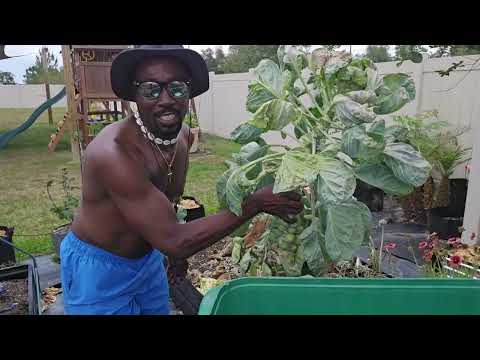
Watch the full video above to see me dealing with all three of these pests in real time out in the gar-deen. Drop a comment below — what pests are giving you the most trouble this season? Let’s troubleshoot together!