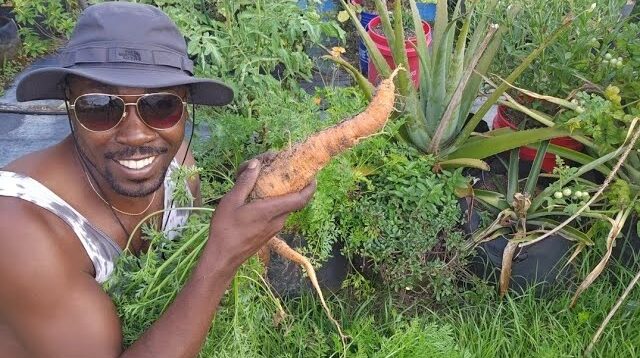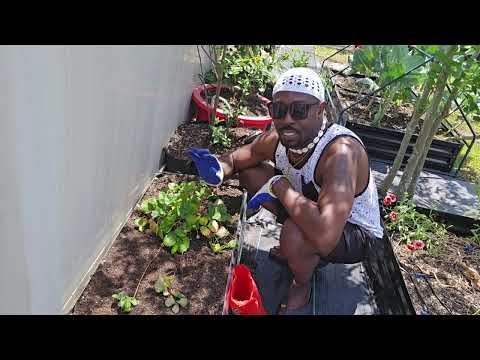

Things are really moving along here at the Urban Suburban Homestead! In this update we’re doing a little bit of everything — planting sweet potatoes and melons in zone 9B, checking in on the chickens and their eggs, and getting some blueberry plants relocated to a better spot. It’s one of those gar-deen days where every hour counts and the momentum is real.
Planting Sweet Potatoes and Melons in Zone 9B Florida
Sweet potatoes are one of the most rewarding crops you can grow in Florida, and honestly one of the most forgiving. They love the heat, they spread out and cover bare ground, and come harvest time they give you a serious return on your investment.
Starting with slips. Sweet potatoes are grown from slips — rooted cuttings taken from an existing sweet potato — rather than seeds. Whether you grew your own slips or sourced them, you want to plant them when they have a good set of roots and 4–6 leaves.
How we plant them. We mound up the soil or use a raised row to improve drainage and give the tubers room to develop. Sweet potatoes will rot if they sit in standing water, so good drainage is non-negotiable. We plant slips about 12–18 inches apart in rows, burying the stem and leaving the leaves above soil.
What they need to thrive. Once established, sweet potatoes are pretty low maintenance. They’ll need consistent moisture in the first couple of weeks while they establish, and then they’re fairly drought-tolerant. They don’t need heavy fertilization — too much nitrogen will push leafy growth at the expense of the tubers.
Harvest timeline. In Florida’s climate you’re looking at roughly 90–120 days to harvest. The vines will sprawl and fill in beautifully, and you’ll know harvest is getting close when the leaves start to yellow.
Planting Melons in the Gar-Deen
Melons are a warm-season crop that can really shine in a Florida summer — as long as you stay on top of watering and pest pressure. We got our melon transplants in the ground this round and are excited to watch them take off.
Give them room. Melon vines spread significantly. We planned ahead and gave them a dedicated section of the gar-deen where they have room to sprawl, or we can train them up a trellis to save space and keep the fruit off the ground. For our trellis setup, check out our Trellising & Garden Structure guides.
Soil prep matters. Melons are heavy feeders that love warm, well-draining, fertile soil. We worked compost into the planting area before putting transplants in and gave them a good watering with a diluted fertilizer to get them off to a strong start.
Consistent watering is key — but not overhead. Melons need regular moisture, especially as fruit is developing. However, overhead watering can promote fungal disease on the leaves. We water at the base to keep the foliage dry.
Pollination. Melons produce separate male and female flowers. Bees and other pollinators are your best friends here — another good reason to plant pollinator-friendly flowers near your gar-deen. If you’re seeing lots of flowers but no fruit setting, hand-pollinating with a small brush is a simple fix.
Checking In on the Chickens and Eggs
The chickens are a big part of the Urban Suburban Homestead experience, and checking in on egg production is always one of the highlights of the day. Consistent egg production tells you a lot about your flock’s health — laying drops off when birds are stressed, molting, dealing with extreme heat, or when day length shortens in fall and winter.
In the Florida heat, making sure the girls have plenty of fresh water and shade is the top priority. Chickens can go off lay quickly when they’re heat-stressed, so we keep a close eye during the hottest months and take steps to keep the coop cool and well-ventilated.
Fresh eggs from your own flock are one of those homestead rewards that never gets old — the color of the yolks alone is worth every bit of the effort.
Transplanting Blueberries to a Better Location
Blueberries are a long-term investment in your homestead. A well-established blueberry bush can produce for decades, so getting them in the right spot matters a lot. We moved some blueberry plants to a location with better conditions this round.
Why transplant at all? Sometimes a plant ends up in a spot that just isn’t working — poor drainage, too much shade, competition from tree roots, or soil pH that’s off. Blueberries in particular are very sensitive to soil pH, needing it between 4.5 and 5.5 to thrive. If they’re struggling and the pH isn’t right, relocating and amending the new site is the right move.
How we transplant. We dug generously around the root ball to minimize root damage, moved quickly to keep the roots from drying out, and replanted at the same depth. After planting, we watered thoroughly and added a layer of acidic mulch (pine bark or pine straw works great) to help conserve moisture and gradually lower pH.
Aftercare. Transplanted shrubs need extra water while they re-establish. We’ll keep a close eye on them for the first several weeks and hold off on fertilizing until we see signs of new growth, which tells us the roots are settling in.
Quick Tips Recap
- Plant sweet potato slips 12–18 inches apart in mounded, well-draining soil
- Melon vines need space — plan ahead or train them up a trellis
- Water melons at the base to prevent fungal disease on foliage
- Monitor chickens closely in heat — fresh water and shade are essential for consistent laying
- Blueberries need a soil pH of 4.5–5.5; use pine bark mulch to help acidify the soil
- Give transplanted blueberries extra water and hold fertilizer until you see new growth
Watch the full video above to see all of this in action out in the gar-deen. If you found this helpful, subscribe to our YouTube channel and drop us a comment below — we love hearing from our community!